Coral Restoration Is Not Just Planting Fragments
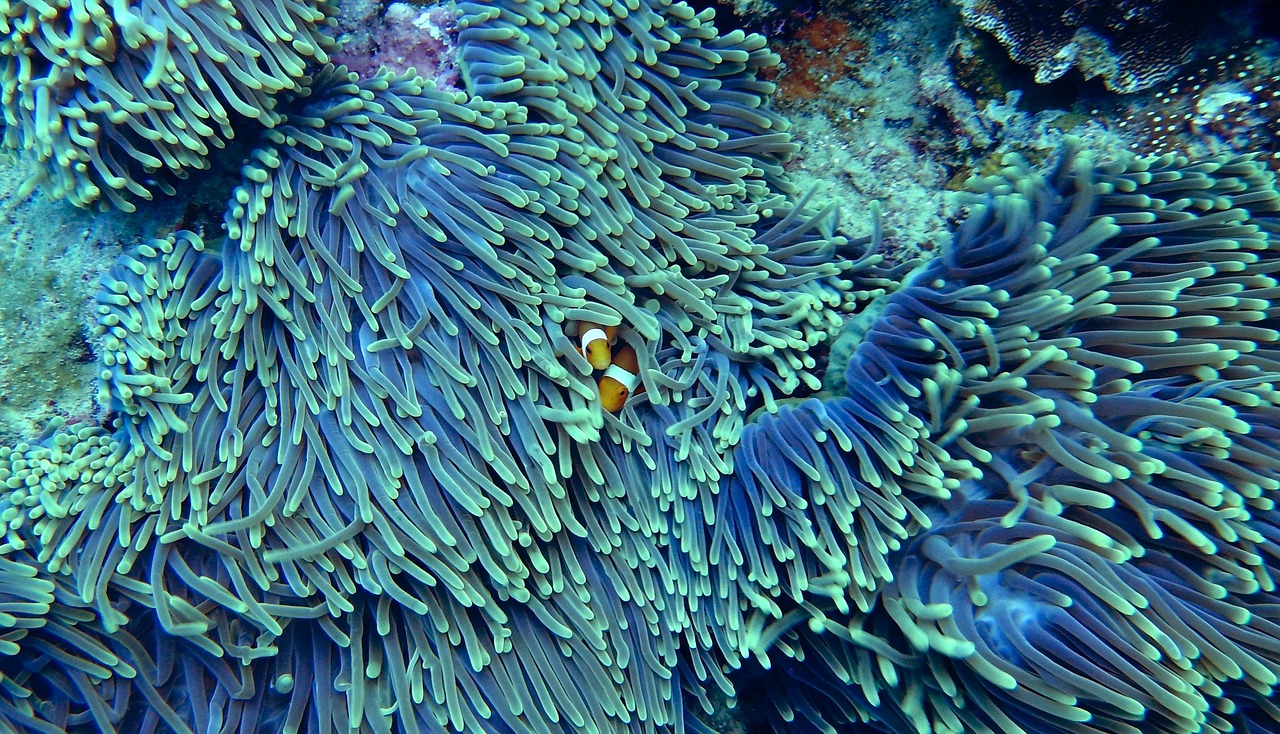
Scroll through ocean conservation feeds and you'll see the same image again and again: a diver in gloves, zip-tying a small coral fragment onto a metal frame. It's a powerful picture, and coral gardening is a genuine tool. But anyone who has spent time around restoration projects knows the work is slower, stranger, and more complicated than a single hopeful photo suggests.
Restoration begins with genetics. Corals are animals, and like any population they carry different tolerances for heat, disease, and light. A nursery that grows only one or two genotypes can produce a reef that looks restored but collapses together the next time the water warms. Good projects sample widely, track which colonies survive stress events, and deliberately mix resilient lineages into outplanted areas. This is unglamorous record-keeping, and it is the difference between a garden and a monoculture.
Why Site Selection Decides Everything
You can grow the healthiest coral in the world and still fail if you plant it in the wrong place. Successful restoration teams study currents, herbivore populations, sediment runoff, and past bleaching history before a single fragment goes down. They also ask whether the original reef damage has been fixed. Dropping coral onto a site where anchors still drag or sewage still flows is like replanting a garden next to an open dumpster.
Herbivores deserve special mention. Parrotfish and urchins graze back the algae that competes with young corals, so a reef with too few grazers can smother new growth no matter how carefully it was planted. Some projects now combine coral outplanting with measures that protect these algae-eaters, which is a reminder that restoration is really ecosystem repair, not aquarium decoration.
The Long, Boring, Essential Work
After outplanting comes monitoring, and monitoring is where many well-funded projects quietly lose momentum. Someone has to return month after month, photograph the same colonies, measure growth and mortality, and honestly report failures. That data shapes the next round of planting and helps funders understand that a 60 percent survival rate may be a real success in a tough environment, not a scandal.
Local involvement ties all of this together. Projects run by or alongside coastal communities tend to last longer than those flown in by outside groups. Fishermen, dive shops, students, and tour operators can all play roles — spotting bleaching, maintaining nurseries, or simply keeping boats off restored patches. When restoration becomes part of local life rather than a seasonal visit, it stops being a project and starts being a habit.
None of this replaces the obvious: the best restoration is preventing damage in the first place. Reduced emissions, cleaner runoff, and protected areas do more for reefs than any nursery. But where reefs are already hurting, careful, scientific, locally rooted restoration can buy time. It just doesn't fit neatly into a single photograph.