The Quiet Power of Marine Protected Areas, Explained for Travelers
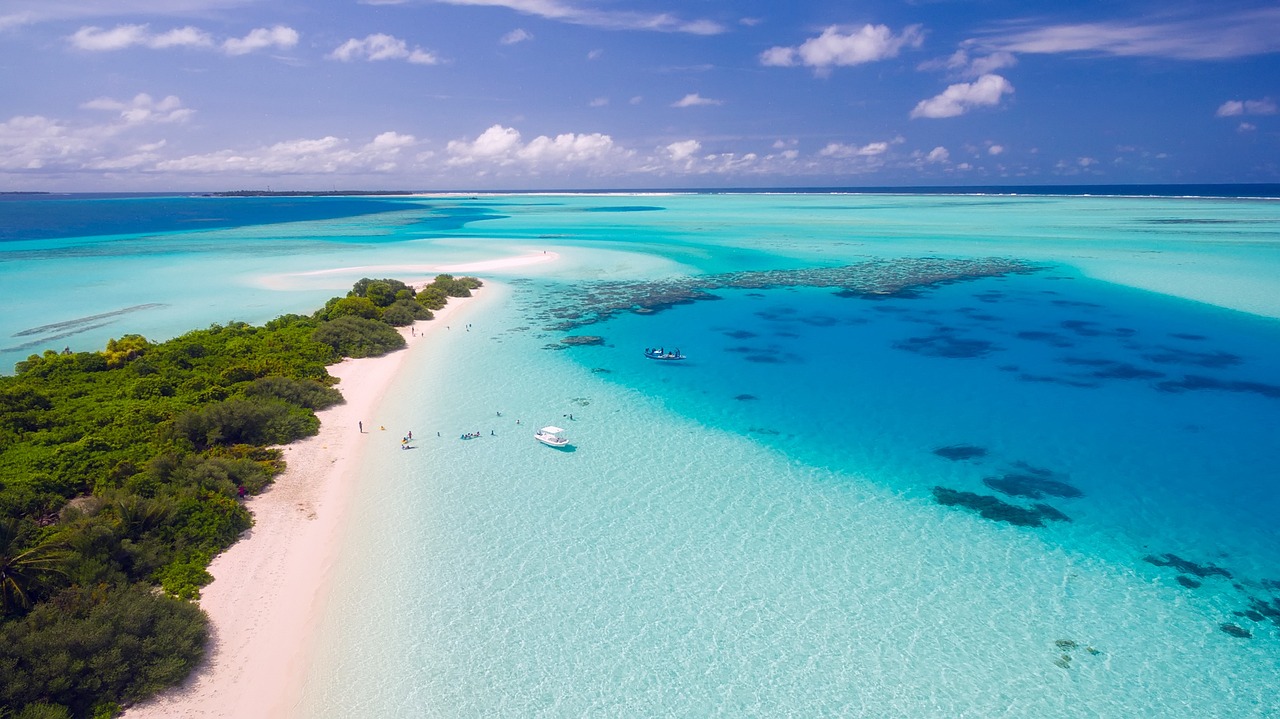
If you've browsed coastal travel guides lately, you've probably seen the acronym MPA. It stands for marine protected area, and it's one of the most important tools in ocean conservation. But what actually happens inside one, and why should a traveler care? The answers are more interesting than the bureaucratic name suggests.
An MPA is a stretch of ocean, coast, or both where human activity is managed with conservation in mind. That management can range from strict no-take zones, where nothing is removed at all, to multiple-use areas where fishing, diving, and boating are allowed with rules. The common thread is that someone has decided this place needs protection, and has put boundaries and enforcement behind that decision.
What Protection Actually Looks Like Underwater
The most striking thing about well-enforced no-take zones is how quickly life responds. Fish grow larger and live longer when they aren't being caught, and large fish produce far more offspring than small ones. That spillover effect means protected areas can help replenish fishing grounds nearby, which is why some fishing communities have become strong supporters of MPAs once they see the results.
Habitat often recovers too. Coral, seagrass, and mangrove areas inside protection tend to be healthier and more complex, which in turn supports more species. For divers and snorkelers, this can mean encounters that are increasingly rare elsewhere: dense schools of fish, larger predators, and a general sense of abundance that's hard to fake.
Not every MPA works, of course. Paper parks, protected on paper but unstaffed and unenforced in practice, are a real problem in many regions. The difference usually comes down to funding, local buy-in, and consistent monitoring. That's where travelers can play a surprisingly direct role.
How to Visit and Support an MPA
Start by finding out whether your destination has one, and what rules apply. Many MPAs charge a small entry or user fee, and that money often funds patrols, research, and community programs. Paying it cheerfully is one of the easiest contributions you can make.
Follow the rules precisely, even when no one seems to be watching. Don't fish where fishing is banned, don't anchor on coral, and don't take souvenirs. If you see violations, report them to local authorities or the managing organization rather than confronting anyone yourself.
Choose operators and lodges that actively support the MPA, whether through fees, staff training, or participation in monitoring. Ask guides what the protected area has changed in their lifetime. Many will have stories about fish returning to places their parents fished as children, and those stories are worth hearing.
Finally, consider donating to the organizations that run these areas, or volunteering if your skills fit. MPAs are long-term projects, and the places that succeed tend to be the ones with steady support from both locals and visitors. By spending your time and money thoughtfully inside one, you become part of that support rather than just a passerby.