How to Snorkel a Reef Without Loving It to Death
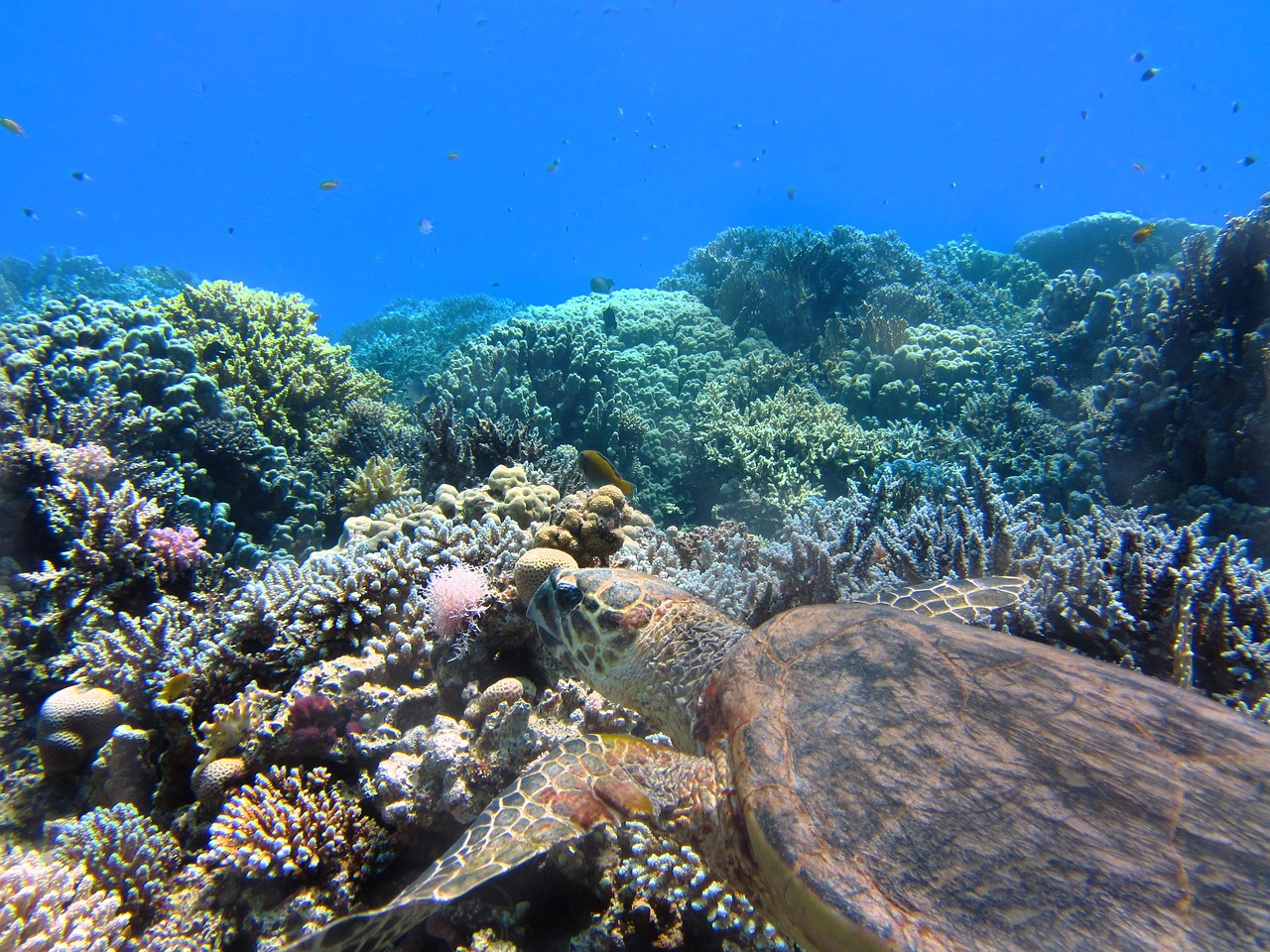
Few experiences match floating over a living coral reef for the first time. The colors shift with the light, fish dart between branching corals, and for a moment you feel like a visitor to another planet. The trouble is that this planet is fragile, and tourism — even the well-meaning kind — can love a reef to death. The good news is that most of the damage done by snorkelers is entirely avoidable once you know what to watch for.
Start before you ever get in the water. Choose operators who brief their guests on reef etiquette, limit group sizes, and use fixed moorings instead of dropping anchors onto coral. If a tour company can't tell you how they protect the reef, that silence is an answer. Bring a rash guard instead of sunscreen where you can, and if you do need sun protection, pick a mineral-based product. Chemical sunscreens containing oxybenzone and octinoxate have been linked to coral bleaching, and several destinations have banned them outright.
In the Water: Posture, Distance, and Hands
Once you're in, the single most important skill is buoyancy. A snorkeler who floats horizontally and relaxed rarely touches anything. Keep your arms at your sides or folded gently in front of you rather than paddling, and let your legs trail behind instead of kicking downward. If you're a beginner, wearing a thin wetsuit or using a float can help you stay level and calm.
Distance matters more than most people realize. Give corals and marine life a wide berth — a few arm's lengths at minimum — because fins, knees, and cameras cause more breakage than anyone intends. Never stand on coral, even the flat-looking kind; much of it is alive and slow to recover. Don't chase turtles, rays, or fish for a photo. And resist the urge to touch, hold, or feed anything, no matter how tempting the moment feels.
Small Habits That Add Up
Sustainable snorkeling isn't only about what you avoid. It's also about what you support. Pay marine park fees without grumbling, since they often fund patrols and restoration. Tip guides who enforce good behavior, and leave a review that praises their care rather than just the scenery. If you see another snorkeler standing on coral, a polite word from a fellow guest often lands better than a lecture from staff.
Finally, take the memory home instead of the souvenir. Shells, coral fragments, and even dead-looking pieces play a role in the reef ecosystem, and many countries prohibit removing them. A photograph, a sketch, or a note in a dive log lasts longer and costs the reef nothing.
Reefs are resilient when given the chance, but recovery takes years while damage takes seconds. Snorkeling gently is not about restraint for its own sake. It's about making sure the next traveler, and the one after that, can float over the same living city of coral and feel that same first-time wonder.