Packing for a Low-Impact Ocean Trip: A Practical List
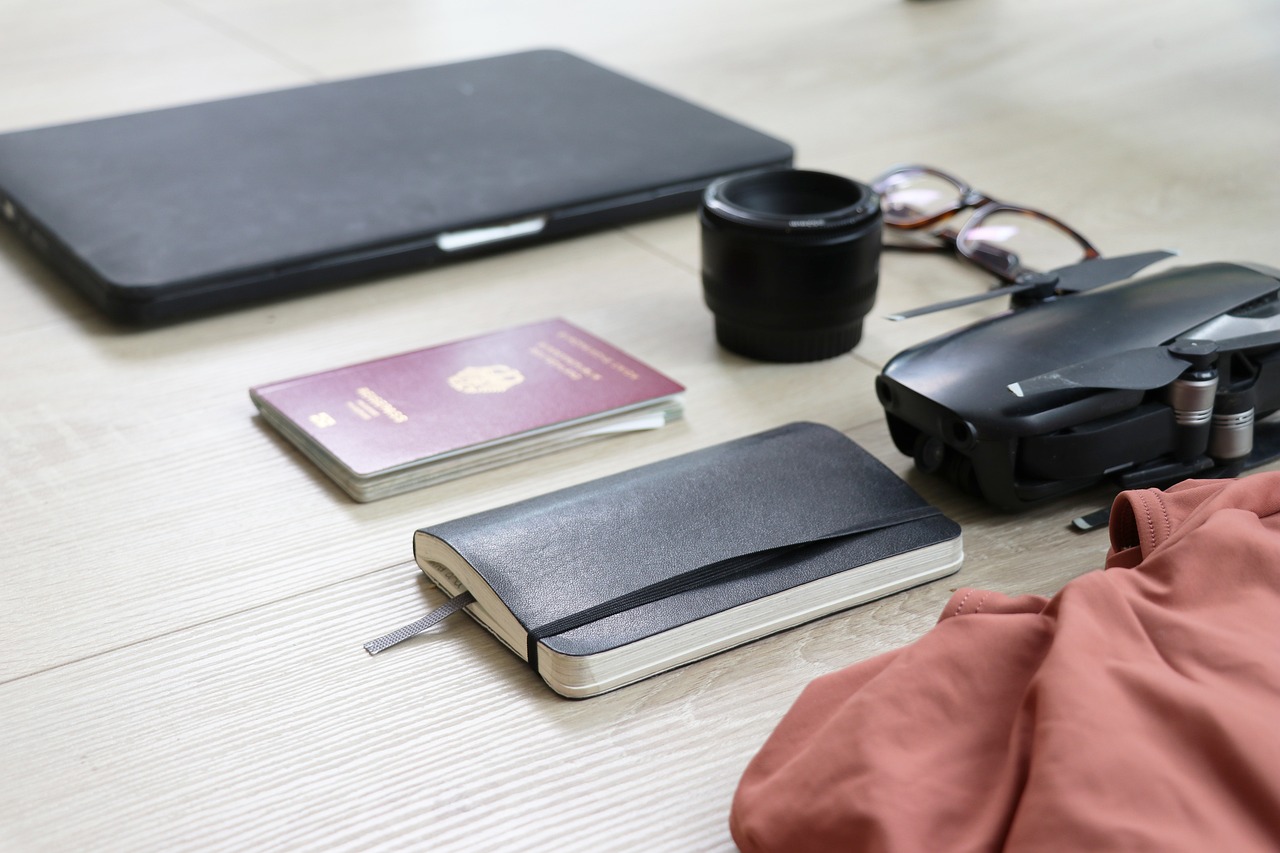
Packing lists usually focus on comfort and convenience, which makes sense. But a coastal trip gives you a chance to pack with the ocean in mind too, and it turns out the two goals line up more often than you'd think. A little planning at home means less waste on the road, less harm to reefs, and fewer trips to overpriced tourist shops for things you forgot.
None of this requires special gear or a big budget. It's mostly about swapping a few defaults and being honest about what you'll actually use.
The Essentials Worth Swapping
Sunscreen is the big one. Many common ingredients in chemical sunscreens, like oxybenzone and octinoxate, have been shown to harm coral, especially in the shallow, crowded waters where snorkelers and swimmers spend their time. Mineral sunscreens with zinc oxide or titanium dioxide are a better choice, and covering up with a rash guard, hat, and sunglasses reduces how much you need in the first place. Look for reef-safe labels, but read the ingredients too, since the term isn't tightly regulated.
Bring a refillable water bottle and a couple of cloth bags. Many destinations have safe tap water or refill stations, and a bottle saves you from buying case after case of plastic. Cloth bags handle wet towels, sandy shoes, and market purchases better than flimsy plastic anyway.
Pack a few reusable items that often get overlooked: a travel coffee cup, a set of bamboo or metal utensils, and a small container for leftovers or snacks. A lightweight sarong or quick-dry towel replaces paper and plastic in a dozen small situations.
For personal care, solid shampoo and soap bars cut plastic packaging and slip through airport security without hassle. Choose biodegradable options when you'll be swimming in natural water, though remember that even biodegradable soap belongs far from reefs and streams.
Things to Leave Behind
Leave single-use plastic bags, straws, and cutlery at home. Skip glitter, which is microplastic, and avoid products with plastic microbeads. Don't pack anything you plan to leave behind, like cheap flip-flops or old towels, and resist the urge to bring shells, sand, or coral home, both because it's often illegal and because those bits belong to the ecosystem.
Think twice about heavy camera gear you won't use and clothes you won't wear. Excess luggage means more fuel burned in transit, and packing light is its own reward when you're moving between islands or hopping on small boats.
Finally, pack a little patience and curiosity. The most sustainable choices are often the slower ones: taking the local bus, eating at the family-run spot, asking questions instead of assuming. Your suitcase can only do so much, but it's a good place to start. Every refillable bottle and mineral sunscreen is a small vote for the kind of coast you want to keep visiting.