Reading a Tide Chart Can Transform Your Coastal Trip
Ask a first-time coastal visitor what the tide does and you'll often get a shrug. Ask a local fisherman and you'll get a schedule, a set of rules, and a few warnings. Tides shape nearly everything on the shore — when you can walk, what you can see, when it's safe to swim, and how much of the reef is exposed to sun and air. Learning to read them is one of the simplest upgrades you can make to any ocean trip.
Tide charts look technical, but the basics are friendly. Most show a curve with high and low points and the times they occur. The difference in height between a high and the next low is the range, and that range tells you how much beach you'll gain or lose. Spring tides — confusingly named, they have nothing to do with the season — bring the biggest ranges and expose the most shore. Neap tides are gentler. A quick look the night before saves a lot of standing around wondering where the water went.
What Low Tide Reveals
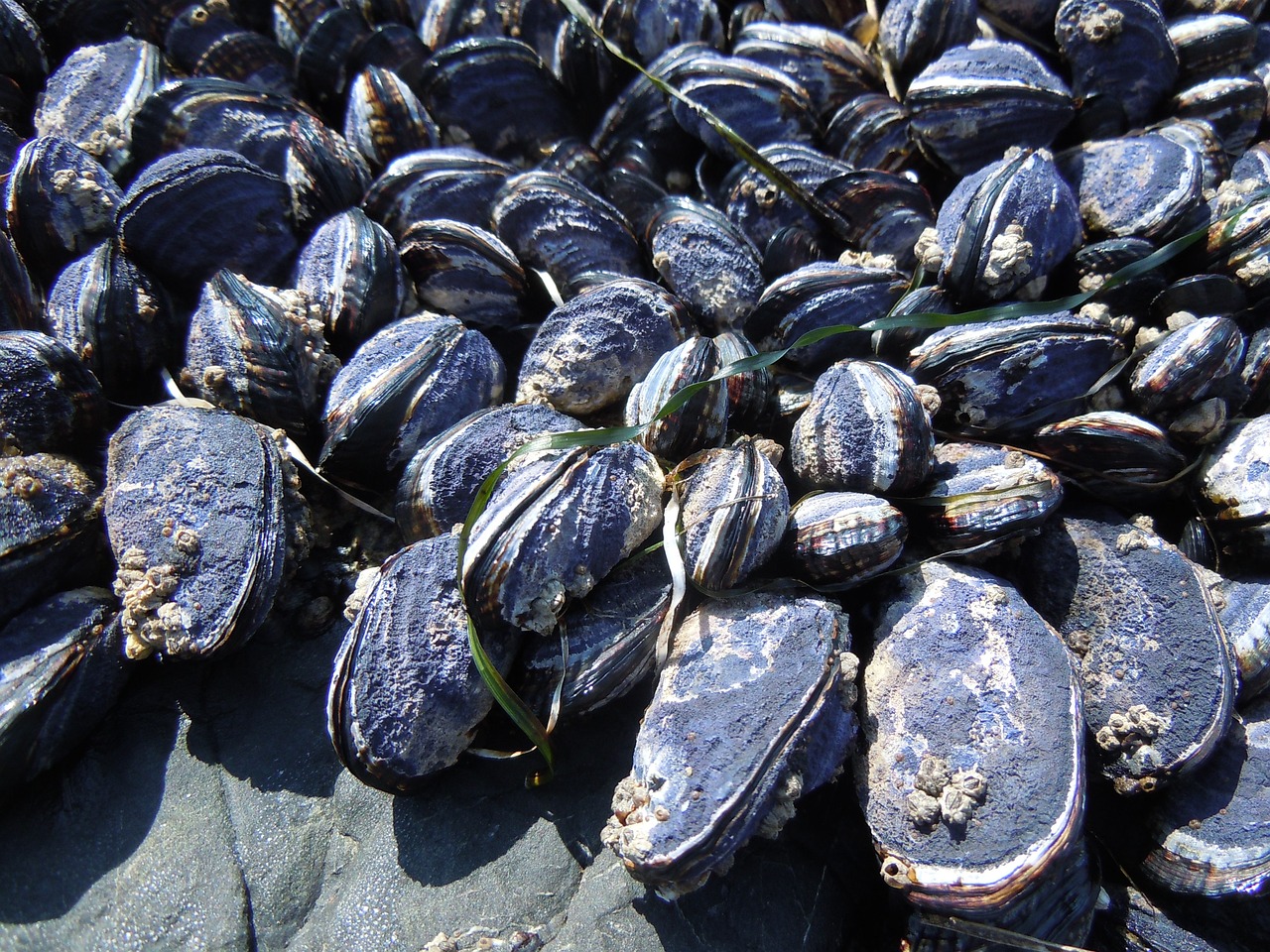
Low tide is the marine naturalist's favorite hour. Reef flats, rock pools, and seagrass edges that are usually underwater become visible, and with them a whole hidden neighborhood: crabs, anemones, small fish, octopus dens, and the living coral or algae that give a reef its texture. Go slowly, watch where you step, and put rocks back the way you found them. Anything you lift should be returned gently, and nothing should go in a pocket. These pools are homes, not souvenirs.
Low tide is also the best time to see the damage we do. Bleached coral stands out starkly when the water pulls back. So does trash that high tide left behind, and so do the scars from anchors and dragged fins. Seeing these things up close is uncomfortable, and it's exactly the kind of discomfort that turns a casual beachgoer into someone who cares about the coast.
Timing Your Days Around the Water
High tide has its own advantages. It's usually the safest window for swimming and snorkeling off a shallow reef, since deeper water means less chance of scraping coral or getting stranded. It's also when many fish move onto the flats to feed, which makes for better wildlife watching. If you're kayaking a tidal river or estuary, the tide can carry you out and back almost for free — but only if you time it, because fighting a falling tide is exhausting and occasionally dangerous.
Tides also govern when you should stay off certain areas entirely. Some beaches close during nesting season, and some reefs are best left alone at low tide when corals are stressed and most vulnerable. Planning around those windows is a form of respect that costs you nothing and protects what you came to see.
None of this requires a marine biology degree. A free tide app, a glance at the harbor schedule, or a word with a local guide is enough to start. Once you know when the water moves, the coast stops being a static backdrop and becomes a living system with its own rhythm. That shift in attention is where real ocean travel begins.