Why Mangroves Deserve a Spot on Your Coastal Itinerary
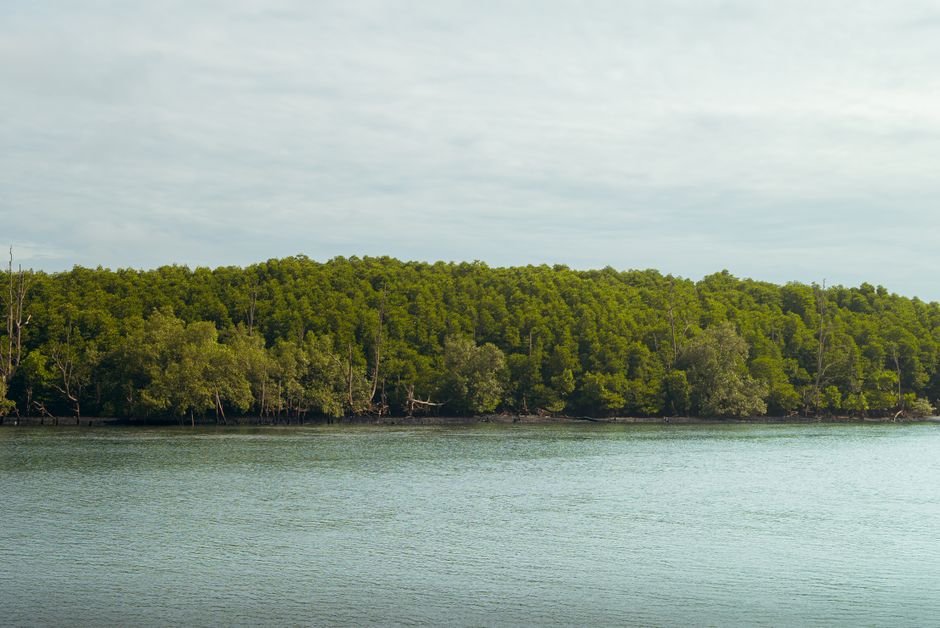
Most travelers plan their coastal trips around beaches, reefs, and maybe a boat tour. Mangroves rarely make the list. They're muddy, buggy, and hard to photograph, which is exactly why they get overlooked. But spend an afternoon in a healthy mangrove forest and you'll start to see why conservationists get so excited about them.
Mangroves are trees and shrubs that grow in the zone between land and sea, where fresh water meets salt. Their roots arch above the mud like stilts, anchoring them against tides and storms. That tangle of roots slows water down, which lets sediment settle and protects shorelines from erosion and storm surge. It also creates a nursery of sorts. Young fish, crabs, shrimp, and even some reef species spend their early, vulnerable weeks hiding among the roots before heading out to open water.
What You'll Actually See on a Mangrove Visit
A good mangrove tour is less about big charismatic animals and more about paying attention. Look for fiddler crabs waving their oversized claws on the mud, mudskippers hopping between puddles, and herons or kingfishers hunting in the shallows. In some regions you might spot juvenile sharks, rays, or seahorses clinging to roots. The water is often tannin-stained and tea-colored, which looks murky but is actually rich with life.
The best way to explore is by kayak or small boat with a local guide, ideally on a rising tide when you can slip quietly through the channels. Walking tours on boardwalks are another low-impact option, especially where the forest is fragile. Avoid tours that promise speedboat thrills through narrow channels, which stir up sediment and stress wildlife.
Mangroves also store a remarkable amount of carbon in their waterlogged soils, which is one reason they've become a focus of climate and conservation efforts. Protecting an existing mangrove forest is often cheaper and more effective than replanting one, since restored mangroves can take years to match the complexity of an old-growth stand.
Making Your Visit Count
Choose operators who employ local guides and keep groups small. Ask whether the forest you're visiting is protected and who manages it. Bring reef-safe sun protection and insect repellent, and wear shoes you don't mind getting muddy. Don't pick up shells, don't chase wildlife for photos, and keep your voice down so birds and animals aren't startled.
If you're staying nearby, look for lodges or homestays that support mangrove protection, and consider donating to a local group doing restoration or monitoring work. Even a small contribution goes further in these communities than you might expect.
Mangroves don't have the postcard appeal of a coral reef, and that's part of their charm. They reward curiosity over spectacle. An afternoon spent drifting through the roots, watching crabs scuttle and fish dart, can teach you more about how the coast actually works than a week of beach lounging. Put one on your itinerary, and you'll start noticing them everywhere.