The Case for Traveling Slower Along the Coast
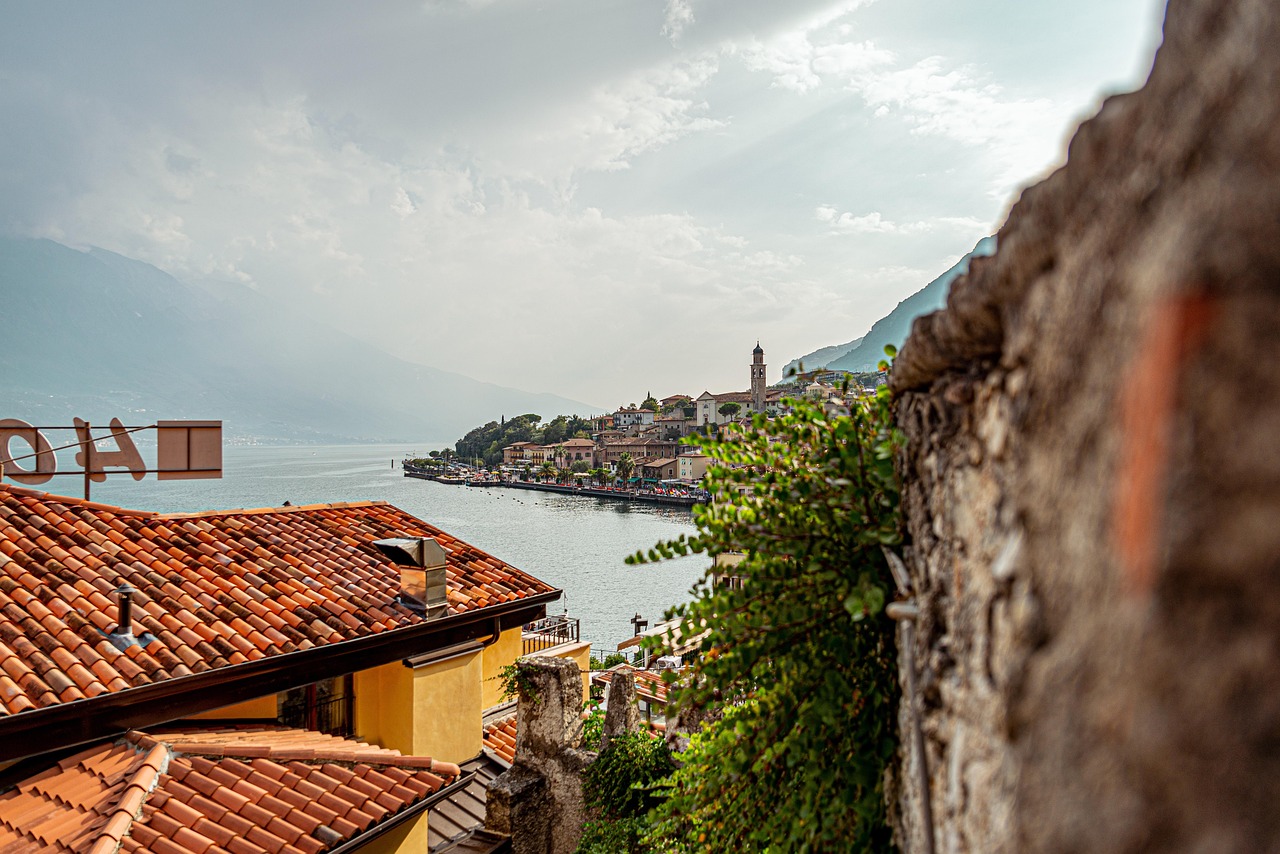
The classic beach holiday is a checklist: fly in, hit five islands, post the sunset, fly out. It's fun, and it's also exhausting for the traveler and the coast. A growing number of ocean-minded travelers are trading the sprint for a slower model — one base, more days, fewer flights — and finding that it changes both the trip and its impact.
Transport is usually the largest part of a holiday's carbon footprint, and short-haul island hops are especially costly per kilometer. Choosing one coastal town and staying put for a week or two removes most of those hops at a stroke. It also frees up budget that would have gone to ferries and transfers, which can instead go to local guides, family-run guesthouses, and longer, better tours on the water.
What Slow Travel Looks Like in Practice
Slowing down doesn't mean doing nothing. It means letting a place reveal itself. You might spend the first morning learning the tide chart, the second finding the reef flat at low water, and the third returning with a local guide who knows which pools hold octopus. By the end of a week you recognize individual boats, know when the fishermen come in, and understand which beach the turtles actually use. That kind of knowledge is impossible to gather in a two-night stop.
It also tends to make you a better guest. When you're not rushing, you notice the small things: the shop that refills water bottles, the dive operator who briefs on reef etiquette, the restaurant serving locally caught fish rather than imported fillets. You can ask questions, change plans, and spend money where it stays in the community. Repetition builds relationships, and relationships build accountability on both sides.
The Ripple Effects on the Coast
Communities notice the difference too. A steady trickle of long-stay visitors is easier to plan around than a weekly surge that strains water, waste, and patience. Businesses can invest in quality rather than volume. And when visitors return year after year, they often become informal stewards — reporting damage, supporting local conservation, and pushing for better practices because they have something personal at stake.
None of this requires perfection. One flight is still one flight, and a slow trip to a distant coast may still outweigh a short drive to a nearby one. The point is to make the trade-offs visible, then choose deliberately. Stay longer, go deeper, take the train or the bus when you can, and let a single stretch of coastline become familiar rather than a blur of ports.
Oceans reward patience. Tides, seasons, and wildlife don't perform on a tourist schedule, and the best encounters usually come to those who wait. Traveling slower is not a sacrifice. It's a different, and often richer, way of seeing the sea.